flexible PCB board enhance device flexibility
A flexible printed circuit board (PCB) is an innovative solution to the space constraints and durability challenges in modern electronic devices. Its unique properties allow it to conform to dynamic shapes, transforming the way we think about electronics design. As material science and manufacturing processes continue to improve, we expect flex PCBs to play an even greater role in shaping the future of electronic devices.
Rigid PCBs are limited in their shape and size, making it difficult to accommodate complex components inside small devices like wristwatches. The rise of wearable technology and IoT devices have highlighted the need for a thinner, lighter PCB that can adapt to more flexible shapes. Rigid PCBs are not a viable option for these applications due to their bulkiness, rigidity and inability to adapt to an irregular shape.
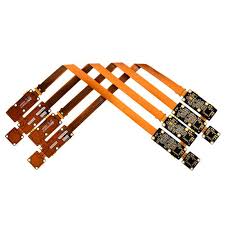
A flexible pcb board can be designed in the same way as any other type of PCB, but it is manufactured using a different method and different base raw materials. Flexible PCBs are made with a thin flexible dielectric substrate, often polyimide, paired with ultrathin copper foils. This allows a flex PCB to be much thinner and more lightweight than rigid PCBs, while still maintaining robust electrical performance.
How does a flexible PCB board enhance device flexibility?
Flex PCBs are also engineered for a much tighter bend radius than conventional PCBs, which helps them fit into tight spaces while accommodating more dynamic movement. However, this flexibility can lead to increased stress concentrations at the bend points of a flex PCB. To avoid these stresses, a flex PCB must be carefully designed and assembled. The PCB designer must take into account factors such as trace spacing, layer stack-up, adhesives and via placement to ensure reliability under dynamic bending.
The use of a flex PCB in medical devices has expanded over the years, from traditional x-ray machines to wearable health monitors and smart watches that track blood pressure, heart rate and other vital signs. The flexible PCBs used in these devices must be durable, biocompatible and sterilizable. They must also be able to withstand frequent and repeated bending. For example, the PillCam, a swallowable camera that is inserted into a patient’s throat to capture images of internal organs, uses a flex circuit that is biocompatible and durable enough for medical use.
The latest flex PCB innovations include improved materials and manufacturing techniques that allow for higher component densities, finer line widths and less copper. These advances will enable a new generation of wearable, tinier, more powerful, and efficient electronic products. In addition, research into stretchable circuits is opening the door for a whole new range of innovative designs that would not be possible with traditional rigid circuit boards. With these advancements, we can anticipate that a flex PCB will become the standard for all electronic devices in the near future. This will allow for smaller, lighter, more portable electronics that will be more functional and adaptable to a changing world. This flexibility will be a fundamental driver of innovation in the fields of consumer electronics, industrial, medical and aerospace systems.