
Pilates Reformer Workouts for Back Pain
The Pilates reformer is a large frame with springs that create your chosen level of resistance. A padded platform, known as the carriage, sits at one end of the frame and is secured by a series of straps and blocks. It’s on this platform that you perform the core and other exercises, pushing and pulling against the spring tension with your body weight. The movements are incredibly flexible, accommodating all types of bodies and fitness levels.
It’s important to note that not all pilates moves are appropriate for those with back pain. Some exercises, including rolling (“Rolling Like a Ball”), twisting (“Saw”) and extreme flexion (neck pull) or extension (“Swan Dive”), can be jarring to the delicate spinal muscles. These movements can also overstretch the joints and cause pain if you have a weak spine or are experiencing an injury flare-up. It’s best to have a professional trainer or healthcare provider that has extensive training in Pilates and can ensure the exercises you are doing are safe for your specific health or injury needs.
pilates reformer workouts are a great way to strengthen the core muscles that support the spine and encourage good posture. In fact, one study found that doing two 1-hour Pilates sessions per week for 12 weeks resulted in improved posture and less back pain. The controlled movements also help build a strong foundation of strength to prevent injuries in the future.
If you’re a runner, for example, having stronger core muscles is essential for maintaining proper posture while running. The movement also helps to improve balance and agility, which can help reduce the risk of injury.
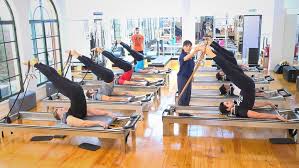
How Pilates Reformer Workouts Can Help With Back Pain
For those with back pain, the movement will improve balance and flexibility, while reducing stiffness and improving overall function and quality of life. It will also prevent or limit the intensity of back pain flare-ups.
Pilates also works all the major muscle groups, including the upper and lower back, glutes and hamstrings, which can strengthen your core and improve posture. It can even strengthen your diaphragm, a key muscle that supports your spine when you move and breathe. It’s important to note, however, that if you have back pain, your instructor should be aware of your condition and can help you tailor the exercise accordingly.
They can also give you guidance on correcting your posture and preventing or managing back pain. They should also be able to recommend other movements or exercises that may be more suitable for your injury or health condition. They can also advise on the use of accessories such as Pilates balls, rings or ankle weights. This can add challenge and variety to your workout.
If you don’t have a trainer, consider booking an appointment with a qualified physiotherapist who can offer pilates instruction and provide further information on safe and beneficial exercise for those with back pain. They can also help you to set achievable goals. This will give you confidence that you are following the right advice for your condition.


