
wrongful dismissal federally
A common question in employment law is: Are punitive damages available for wrongful dismissal federally? Wrongful dismissal occurs when an employer terminates an employee in violation of their contract, fails to provide adequate notice, or breaches other employment obligations. Beyond standard compensation for lost wages and severance, employees sometimes seek punitive damages, which are intended to punish the employer for particularly egregious conduct and to deter similar behavior in the future. The availability of punitive damages in wrongful dismissal cases can vary, and employees working in federally regulated industries under Wrongful dismissal federal jurisdiction face a specific framework for pursuing these claims.
Punitive damages are not automatically awarded in wrongful dismissal cases. They are typically reserved for situations where the employer’s conduct is malicious, fraudulent, or demonstrates a deliberate disregard for the employee’s rights. Examples of conduct that may trigger punitive damages include terminating an employee to avoid paying contractual entitlements, making false accusations to damage their reputation, or engaging in egregious bad faith during the dismissal process. For employees in federally regulated sectors such as banking, telecommunications, or interprovincial transportation, federal courts or tribunals examine whether the employer’s behavior goes beyond a simple breach of contract and rises to a level warranting punishment. This is where wrongful dismissal federal jurisdiction comes into play, as federal law sets the standards for how these claims are assessed and the types of remedies that may be available.
Under federal employment law, employees can seek both compensatory and, in certain cases, punitive damages. Compensatory damages cover economic losses such as unpaid wages, severance, and loss of benefits, while punitive damages address the moral blameworthiness of the employer’s conduct. Courts and tribunals consider factors like the intent of the employer, the degree of harm caused to the employee, and whether the employer acted recklessly or maliciously. The goal is not merely to compensate the employee but to hold the employer accountable and discourage similar misconduct in federally regulated workplaces.
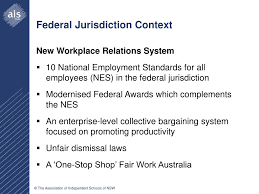
Are punitive damages available for wrongful dismissal federally?
Employers should understand that punitive damages, while rare, represent a serious risk if they act in bad faith. Simply following contractual or statutory termination procedures may protect them from standard wrongful dismissal claims, but malicious or deceptive conduct can expose them to additional liability. Maintaining clear communication, documenting performance issues accurately, and adhering strictly to both contractual terms and federal labor law are essential strategies for minimizing the risk of punitive claims under wrongful dismissal federal jurisdiction.
For employees, knowing that punitive damages are potentially available in federally regulated cases provides an additional layer of protection. It ensures that egregious behavior by an employer is recognized and can be addressed beyond standard monetary compensation. Employees can pursue claims through federal courts or labor tribunals, which assess both contractual breaches and the conduct of the employer in determining remedies. While punitive damages are awarded sparingly, their availability underscores the principle that employment law protects more than just financial interests—it also upholds fairness and accountability.
In conclusion, punitive damages can be available for wrongful dismissal federally, but only in cases where the employer’s conduct is particularly egregious or malicious. Employees working under wrongful dismissal federal jurisdiction may pursue these damages in addition to compensatory remedies, emphasizing both the legal and moral responsibility of employers. Understanding this potential liability encourages fair treatment, discourages bad faith terminations, and ensures that federally regulated workplaces maintain high standards of conduct and accountability.