Flex PCB Manufacturing Can Be Used in Consumer Electronics
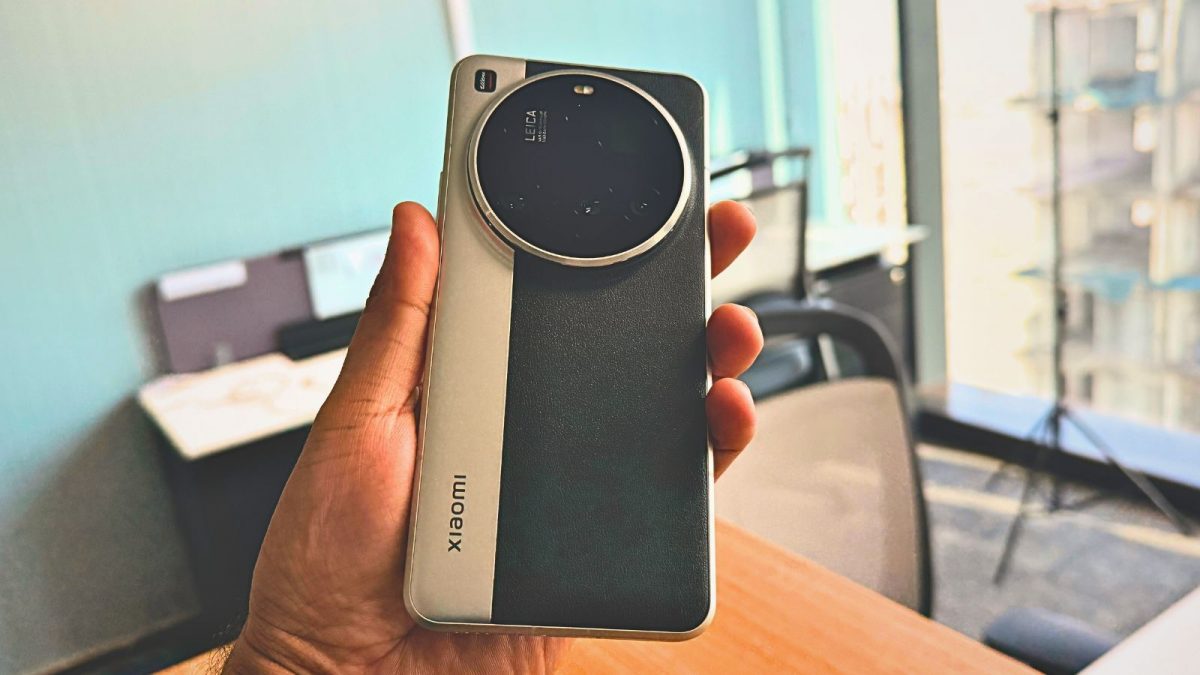
Consumer electronics cover an expansive range of products, from home lighting and appliances to cellular phones, personal computers, laptops, tablets, and wearable technology. These devices typically have lower reliability standards than industrial equipment and have short lifecycles, which means that PCB designers need to design them with cost-effectiveness and simplicity in mind. Choosing to use a flex pcb manufacturing for your next project can help you keep costs down while still producing a robust product.
Unlike rigid printed circuit boards (PCBs), a flexible PCB is made from materials that can bend, allowing it to resist vibrations and movement. These unique properties allow flex PCBs to increase product durability and offer significant weight reductions, up to 75% less than traditional designs. For many products, this makes a difference in terms of both production costs and shipping and handling charges.
A flex pcb manufacturing has a flexible substrate material like polyimide or polyester film that is bonded to copper foil, which represents the electrical conductors on the board. The conductive material is etched onto the flex PCB in multiple layers, depending on the design. A coverlay is then applied to protect the etched layer from moisture, dirt, and damage.
How Flex PCB Manufacturing Can Be Used in Consumer Electronics
The conductive material etching process on a flex PCB is different from that used on rigid PCBs. Instead of etching the copper with a dry eraser, a wet chemical process is used. This results in more durable and dependable copper traces. It’s important that the etching is done correctly to avoid defects like incomplete etching or holes that are too small.
Once the etching process is complete, the flex PCB goes through a heat and pressure treatment, known as annealing, which is necessary to ensure that it is resistant to mechanical stress. The annealing process also softens the copper and improves its bonding with the underlying substrate. It’s also important that the copper has a low melting point and can withstand a high level of tensile strength, so it should be treated with a tin/lead solder alloy.
The final step in the flex PCB process is cutting it into its desired size, called blanking. In high-volume manufacturing, this is often done using a hydraulic punch and die, which has reasonable tooling costs but allows for fast production times. For prototypes and low-volume runs, a blanking knife is used, which is a long razor blade that is pressed against the flex circuit’s outline.
The flex PCB is then optically inspected and electrically tested before being sent to packaging, warehousing, and distribution. A quality flex manufacturer will be able to bring your design to life with minimal cost and minimal defects. Contact Sierra Circuits today to discuss your flex PCB project. Our engineers and technicians have the expertise to help you design and build a premium flexible circuit board that meets your requirements. You can even check out our detailed calculator to see how much your design will cost you. Whether you need one prototype or thousands of production units, we have the capacity to meet your needs.