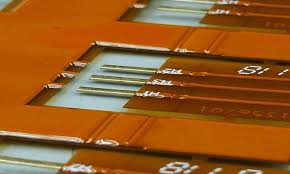
fpc circuit board accommodate high-density interconnects
In a flexible circuit board, there are multiple layers of conductors with insulating materials between them. These layers have plated through holes that enable connections with other parts of the board. The insulated material prevents the electrical signals from getting distorted.
This helps the circuit board to withstand repeated bending and handling. fpc circuit board are often used in mobile phones and other consumer electronic products, because they are light and can easily bend to fit into small spaces. They also help to keep the devices’ appearance clean and organized.
Unlike rigid PCBs, fpc circuit boards can’t accommodate as many copper wires. They can, however, support a high number of interconnects. Depending on the type of product, this can be up to 30 or more. FPCs are also easier to work with, because they don’t require soldering and have a low assembly cost.
Can fpc circuit board accommodate high-density interconnects?
They’re also more durable than rigid PCBs, so they can withstand a lot of strain and flexing. The flexibility of the fpc circuit board also makes it possible to integrate more components into the device. This can include sensors, LEDs, and other devices that need to connect to the main board.
One of the primary advantages of FPC boards is their flexibility. This characteristic makes them ideal for use in compact, densely packed electronic devices where space is at a premium, such as smartphones, tablets, wearable devices, and medical equipment. The ability to bend and flex without breaking allows these circuits to be used in dynamic applications where movement is involved, such as in robotic arms or in the hinge mechanisms of foldable devices.
Most manufacturers use FR-4, an epoxy-based resin that is made of fiberglass. It’s an extremely durable material that can resist warping, cracking, and aging. It also has good thermal and electrical properties. It can be made to be very thin, which helps reduce the overall weight of the product. FPCs take up less space than rigid circuit boards, and they can be bent repeatedly without damage.
Using cable conductors to install wiring is easy to make mistakes, which can lead to poor performance and an ugly appearance. With a fpc circuit board, we can eliminate these problems. FPCs are also much easier to connect, so you don’t have to disassemble the product every time you need to access the wires. This not only saves you time and money, but also ensures that your product looks neat and professional.
In a fpc circuit board, there is a layer of HDPE that protects the conductive layers. This layer is applied by extruding the resin through a nozzle. It eliminates capacitive coupling between substrates and provides a vapor barrier to prevent moisture from entering the board during curing. Once the insulating layer is in place, an adhesive can be used to attach the components. This includes potentiometers and LEDs, which can be bonded directly to the circuit board to improve performance and decrease cost.
For a more reliable connection, you can opt for a ZIF connector. This is a simple, low-force connection that allows you to insert and remove the fpc circuit board without damaging it. It’s a good choice when the fpc is expected to be inserted and removed frequently.