
Can an electronics assembly be repaired
When a component within an electronics assembly fails, it triggers a cascade of questions about repairability, costs, and feasibility. In the intricate web of circuits and connections, a single malfunctioning component can disrupt the entire functionality of a device. So, can an electronics assembly be repaired if a component fails? The answer lies in the complexity of the assembly, the availability of replacement parts, and the expertise of repair technicians.
At the heart of electronics assembly repairability is the modularity and accessibility of components within the assembly. In some cases, assemblies are designed with replaceable components, making it relatively straightforward to identify and swap out faulty parts. Modular designs facilitate efficient repair processes, minimizing downtime and costs associated with component replacement. However, in assemblies with densely packed components or integrated circuits, accessing and replacing individual components may pose significant challenges, requiring specialized tools and expertise.
The repairability of electronics assemblies also hinges on the availability of replacement parts. Manufacturers often maintain inventories of spare components to support repair and maintenance activities throughout the lifecycle of their products. Authorized repair centers may have access to these spare parts, enabling them to perform repairs effectively and efficiently. However, in cases where replacement parts are scarce or obsolete, repair becomes more challenging and may involve sourcing components from alternative suppliers or salvaging parts from similar assemblies.
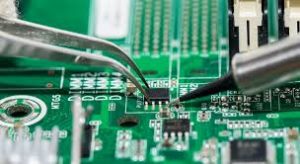
Can an electronics assembly be repaired if a component fails?
Furthermore, the success of electronics assembly repair depends on the expertise and skill of repair technicians. Repairing electronic assemblies requires a deep understanding of circuitry, soldering techniques, diagnostic tools, and troubleshooting methodologies. Highly skilled technicians can diagnose issues accurately, identify faulty components, and execute repairs with precision. However, the shortage of skilled technicians and specialized training programs poses a significant barrier to effective electronics assembly repair, particularly in complex or specialized applications.
Advancements in diagnostic technologies and repair techniques have transformed the landscape of electronics assembly repair in recent years. Automated test equipment, diagnostic software, and predictive maintenance algorithms enable technicians to identify and diagnose issues more efficiently, reducing the time and effort required for repair. Additionally, the emergence of additive manufacturing technologies, such as 3D printing, has facilitated the production of custom replacement parts, overcoming challenges related to component availability and obsolescence.
Despite these advancements, challenges persist in the realm of electronics assembly repair. One notable challenge is the prevalence of sealed or encapsulated components, which are designed to prevent tampering or unauthorized access but hinder repairability. Sealed components may require specialized equipment or techniques to access and repair, increasing the complexity and cost of repair operations. Furthermore, the trend towards miniaturization and integration in electronics assembly design poses challenges for repairability, as smaller components are more difficult to manipulate and replace.
In conclusion, the repairability of electronics assemblies when components fail is contingent upon a myriad of factors, including design modularity, component availability, technician expertise, and technological advancements. While some assemblies are designed with repairability in mind, others present significant challenges due to factors such as component integration, sealing, and obsolescence. As the electronics industry continues to evolve, stakeholders must prioritize repairability and develop strategies to overcome barriers to effective assembly repair, ensuring the longevity, sustainability, and reliability of electronic devices.