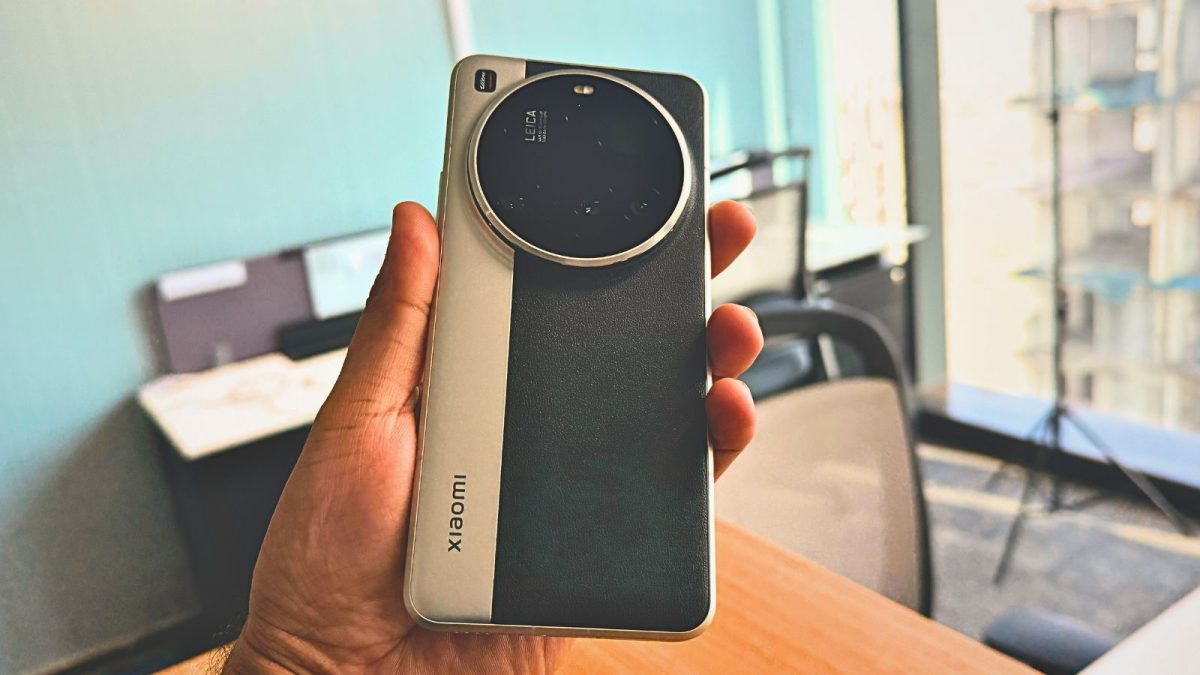
hdi printed circuit board be used in consumer electronics
Consumer electronics have become an integral part of daily life, with devices ranging from smartphones and tablets to smart home appliances and wearable gadgets. Behind the sleek exteriors and cutting-edge features of these products lies the intricate technology of High-Density Interconnect (HDI) printed circuit boards (PCBs), which play a pivotal role in enabling the functionality, performance, and compact form factors demanded by today’s consumers.
One of the key advantages of HDI PCBs in consumer electronics is their ability to accommodate the ever-increasing complexity and miniaturization of electronic components. As consumers demand thinner, lighter, and more feature-rich devices, HDI PCBs provide designers with the flexibility to pack more functionality into smaller form factors. This miniaturization not only enhances the portability and aesthetics of consumer electronics but also enables the integration of advanced features and functionalities.
Moreover, the high wiring density and advanced interconnection technologies of hdi printed circuit board contribute to the improved performance and reliability of consumer electronics. Whether it’s smartphones with high-speed data connectivity, fitness trackers with precise sensor readings, or smart home devices with seamless connectivity, HDI PCBs facilitate the efficient transmission of signals, minimizing signal distortion, and ensuring reliable operation.
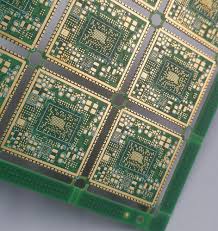
Can hdi printed circuit board be used in consumer electronics?
Thermal management is another area where HDI PCBs excel in consumer electronics. As devices become more powerful and compact, managing heat generated by electronic components becomes increasingly challenging. HDI PCBs incorporate features such as thermal vias, copper pours, and metal-core substrates to enhance heat dissipation and maintain optimal operating temperatures, ensuring consistent performance and prolonging the lifespan of consumer electronics.
Furthermore, HDI PCBs enable the development of innovative and feature-rich consumer electronics that meet the evolving demands of today’s tech-savvy consumers. Whether it’s high-resolution displays, multi-camera systems, or biometric sensors, HDI PCBs provide the necessary connectivity, signal integrity, and processing power to support these advanced features. This enables manufacturers to differentiate their products in a competitive market landscape and deliver enhanced user experiences.
In addition to performance and functionality, HDI PCBs contribute to the overall sustainability of consumer electronics. By optimizing the use of materials and reducing waste during manufacturing, HDI PCBs help minimize the environmental impact of electronic device production. Furthermore, the energy efficiency and long lifespan of consumer electronics, enabled in part by HDI PCBs, contribute to significant energy savings and resource conservation over the life of the product.
Moreover, the scalability and cost-effectiveness of HDI PCB manufacturing make them an attractive choice for consumer electronics manufacturers. Whether it’s producing high volumes of smartphones, tablets, or wearable devices, HDI PCB fabrication processes enable efficient production while minimizing costs and lead times. This scalability ensures that consumer electronics remain affordable and accessible to a wide range of consumers worldwide.
In conclusion, High-Density Interconnect (HDI) printed circuit boards (PCBs) play a crucial role in shaping the future of consumer electronics. From enabling miniaturization and performance optimization to enhancing thermal management and supporting advanced features, HDI PCBs are instrumental in delivering the innovative and feature-rich devices that consumers demand. As consumer electronics continue to evolve and innovate, HDI PCBs will remain a cornerstone of progress, driving advancements in technology, sustainability, and user experiences.