
choose the right flexible PCB material
PCBs play a crucial role in electronic devices, from mobile phones to wearable technology. Choosing the right flexible circuit board material is essential for both performance and reliability. A good manufacturer can provide valuable insights and recommendations on the best materials and manufacturing processes for a particular application. However, it is important to define the application requirements before selecting a PCB material. Taking into account factors like operating temperature range, frequency and voltage of signals, size constraints and environmental conditions can help you determine the ideal material for your project.
The main factor to consider when choosing a flexible pcb is its electrical properties. The thickness of the layer stack, copper-clad laminate and cladding material can have a big impact on a flex circuit’s electrical characteristics. For example, a thinner layer stack can allow more traces and components to be fitted on a flex circuit. This is especially useful for high-speed applications where signal integrity maintenance and minimal attenuation loss in transmission lines are important. A thin cladding layer can also improve conductivity and insulation of the circuits.
Besides thickness, other important factors for choosing the right flexible PCB material include its mechanical properties and chemical resistance. A flex circuit can be subjected to a lot of bending and pounding, so it needs to be able to withstand these forces without damage. It is also important that the flex circuit is resistant to solvents and acids that may come into contact with it after installation.
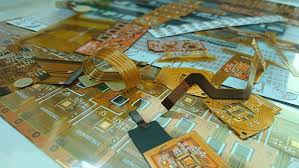
How do you choose the right flexible PCB material?
A common choice for a flex PCB substrate is a film made of polyimide, which is highly flexible and tough. It is also heat and flame-resistant, which makes it suitable for use in dynamic applications. Other common flex PCB substrates include FR4, Kapton, and metal sheets (aluminum or stainless steel). Stiffeners are rigid reinforcing materials that are added to local sections of the flex circuit to provide additional mechanical support. These can be made of materials such as PI, PET or even glass fiber.
In addition to these layers, a flex circuit must have a coating that protects it from corrosion and other contaminants. This can be achieved with a coverlay, photo-imaged dry films or liquid photo-imaged polymers. In addition, a flexible circuit can be finished with treatments such as HASL or ENIG to improve its appearance and surface finish.
Recycling and reusing flexible PCBs is another area of focus. While the recycling of rigid PCBs is already well-established, the unique properties of flexible PCBs present additional challenges. However, advances in recycling technologies are making it possible to recover valuable materials from flexible PCBs, reducing the need for virgin resources and minimizing waste.
Both flex and rigid PCBs can be designed to be reliable, but they need to be constructed properly to ensure longevity and quality. Considering the operating conditions, environmental stresses and design complexity of a project, it’s important to evaluate the different features and benefits of each type of board before making a final decision. In addition, deciding between a rigid or flexible circuit can have an impact on the final price of the assembly.