
select the right components for Assembly company pcb
Selecting the right components for printed circuit board (PCB) assembly is a crucial step in the manufacturing process for assembly companies. Choosing components that meet the requirements of the PCB design and the intended application is essential for ensuring the reliability, performance, and longevity of the final product. The selection process involves considering factors such as component specifications, quality, availability, cost, and compatibility with the assembly process and environmental conditions.
One of the primary considerations when selecting components for assembly company pcb is ensuring compatibility with the design requirements and performance specifications. This involves reviewing the schematic diagram and bill of materials (BOM) to identify the types, values, and specifications of components needed for the PCB. Components must meet electrical, mechanical, and environmental requirements specified in the design, such as voltage ratings, current ratings, temperature ranges, and package sizes.
Moreover, component quality is a critical factor in ensuring the reliability and longevity of the PCB assembly. High-quality components sourced from reputable manufacturers are less likely to fail prematurely or exhibit performance issues, reducing the risk of product defects or warranty claims. Assembly companies must carefully evaluate component suppliers and manufacturers based on factors such as reputation, certifications, compliance with industry standards, and track record of quality and reliability.
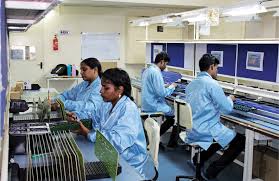
How do you select the right components for Assembly company pcb?
Another important consideration in component selection is availability and lead times. Components that are readily available from multiple suppliers and distributors help mitigate the risk of supply chain disruptions and delays in production. Assembly companies must assess component availability and lead times to ensure timely procurement and minimize the risk of production bottlenecks or schedule delays.
Cost is also a significant factor in component selection, as it directly impacts the overall manufacturing cost and profitability of the PCB assembly. While it is essential to balance cost considerations with quality and performance requirements, assembly companies must strive to source components that offer the best value for money without compromising on reliability or performance. This may involve negotiating prices with suppliers, exploring alternative sources, or considering bulk purchasing to achieve cost savings.
Furthermore, compatibility with the assembly process and manufacturing capabilities is crucial when selecting components for PCB assembly. Components must be compatible with the assembly equipment and processes used by the assembly company, such as pick-and-place machines, soldering techniques, and inspection methods. Components with specific packaging or mounting requirements must be selected to ensure smooth assembly and minimize the risk of process-related issues or defects.
Additionally, environmental considerations play a growing role in component selection for PCB assembly. Assembly companies must consider factors such as compliance with environmental regulations, sustainability initiatives, and the use of environmentally friendly materials and manufacturing processes. Components that are RoHS-compliant (Restriction of Hazardous Substances) and free from hazardous substances such as lead, mercury, and cadmium are preferred to minimize environmental impact and ensure regulatory compliance.
In conclusion, selecting the right components for assembly company PCBs is a critical aspect of the manufacturing process, influencing the reliability, performance, cost, and environmental sustainability of electronic products. By considering factors such as component specifications, quality, availability, cost, compatibility, and environmental considerations, assembly companies can ensure that the components chosen meet the requirements of the PCB design and the intended application while achieving optimal manufacturing efficiency and customer satisfaction. Effective component selection requires collaboration between design engineers, procurement specialists, and supply chain managers to make informed decisions that balance technical, commercial, and operational considerations.