
Tombstoning During Board Assembly
Tombstoning is a visually distinct defect that occurs during board assembly when one end of a passive chip component stands upright and unconnected to the PCB pad. This is a result of imbalances in solder paste application or uneven heating and cooling rates during reflow soldering. The problem can be very costly, but also very easily avoided by taking the time to think through the entire manufacturing process.
Tombstones can be caused by many things, but the most common are related to the layout and positioning of pads on the surface of the board. Inconsistent copper pad layouts can cause the wetting process to occur at different speeds, causing the side that wets faster to exert a pulling force on the other end of the component, thereby lifting it and freeing it from the pad. Another common cause is the presence of thermally dissimilar materials near the ends of a component. These materials will heat and cool at different rates, causing the wetting process to happen at different times, and again resulting in the component being lifted from the pad.
A good way to avoid these issues is by reworking your design to reduce the number of pads on the surface of the board, especially for smaller components that are more prone to tombstoning like 0402 and 0201 passivators. This will minimize the amount of stress on a single point and reduce the likelihood of an error during the pick-and-place machine process. Also, consider changing your PCB finish if you use a material that is prone to tombstoning. Although hot air solder leveling (HASL) is inexpensive, it can make surfaces uneven and affect how well solder sticks to them. Try something like immersion tin or even OSP to improve the quality of your boards and reduce the risk of tombstoning.
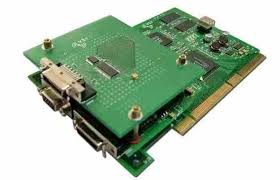
How to Prevent Tombstoning During Board Assembly
Another issue that can contribute to tombstoning is the presence of oxidation on the solder pad or terminal of a component. Oxidation can decrease the wetting speed and force of a terminal, which then allows the solder on the other end to pull it upright. This problem is further exacerbated when a gas, like nitrogen, is used to assist the reflow process. Nitrogen enhances wetting, and if there is more on one side of the component it can build up enough force to lift the other end.
Finally, it is worth noting that tombstoning can also be a result of an inconsistency in the copper layer on the inside of the PCB. This can be a result of inconsistencies in the printing of the stencil and can also lead to an uneven distribution of the heat that is applied to the board, leading to an imbalanced wetting process. By ensuring that the copper coverage is even across your PCB, you can eliminate this possibility and prevent tombstoning from occurring during board assembly.
Creating an optimal temperature profile is essential for successful board assembly. A temperature profile is a carefully designed sequence of temperature changes that a PCB undergoes during the reflow soldering process. It includes several phases: