
soldering play in the assembly of electronic assembly near me
Soldering plays a critical role in the assembly of electronic assemblies near you, serving as the primary method for creating reliable electrical connections between components and the printed circuit board (PCB). This process involves melting solder, a metal alloy with a low melting point, and using it to join electronic components to the conductive pads on the surface of the PCB. Soldering not only provides electrical connections but also ensures mechanical stability, thermal conductivity, and protection against environmental factors such as moisture and corrosion.
One of the key functions of soldering in electronic assembly near me is to create electrical connections between electronic components and the PCB. This is achieved by applying solder to the exposed metal pads on the surface of the PCB and heating it to its melting point using a soldering iron, reflow oven, or wave soldering machine. As the solder melts, it forms a metallurgical bond with both the component leads and the PCB pads, establishing a conductive pathway for electrical signals to flow between the components.
Moreover, soldering plays a crucial role in ensuring the mechanical stability of electronic assemblies. By creating strong bonds between components and the PCB, soldering helps to prevent components from becoming dislodged or detached during handling, shipping, or operation. This is particularly important in applications where electronic devices are subjected to mechanical stress, vibration, or thermal cycling, as the integrity of solder joints directly impacts the reliability and longevity of the assembly.
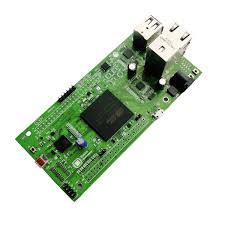
What role does soldering play in the assembly of electronic assembly near me?
In addition to providing electrical and mechanical connections, soldering also serves as a means of thermal management in electronic assemblies. By forming a continuous layer of solder between components and the PCB, soldering helps to dissipate heat generated during operation, preventing overheating and ensuring the proper functioning of sensitive electronic components. This is especially critical in high-power applications or devices operating in harsh environments where thermal management is essential for optimal performance and reliability.
Furthermore, soldering plays a role in protecting electronic assemblies from environmental factors such as moisture, dust, and corrosion. Solder forms a protective barrier around the exposed metal surfaces of components and PCB pads, preventing oxidation and ensuring long-term reliability in challenging operating conditions. This is achieved by using flux, a chemical cleaning agent, during the soldering process to remove oxides and contaminants from the metal surfaces and promote the wetting and adhesion of solder.
The soldering process used in electronic assembly can vary depending on the type of components, assembly techniques, and production requirements. For surface mount components, solder paste is typically applied to the PCB pads using stencil printing or dispensing equipment, followed by reflow soldering to melt the solder and create electrical connections. Through-hole components, on the other hand, are typically soldered using wave soldering or selective soldering techniques, where molten solder is applied to the bottom of the PCB and drawn up through holes to create solder joints.
In conclusion, soldering plays a multifaceted role in the assembly of electronic assemblies near you, encompassing electrical connections, mechanical stability, thermal management, and environmental protection. By creating reliable solder joints between components and the PCB, soldering ensures the integrity, performance, and reliability of electronic devices in a wide range of applications. As electronics technology continues to advance, soldering will remain an essential process in the manufacturing of electronic assemblies, driving innovation and shaping the future of electronics manufacturing.